Ever had your streaming trial crash because your hardware wasn’t up to snuff? We’ve all been there—spending hours perfecting a stream only for it to sputter out like an old car on its last leg. That’s why having a solid hardware configuration checklist is vital. In this guide, we’ll tackle the must-haves and avoidable pitfalls to ensure smooth, high-quality streaming trials. You’ll learn how to identify issues before they happen, optimize for cost-efficiency, and even get some grumpy-but-useful tips.
In this post, you’ll find:
- A detailed breakdown of what makes good hardware for streaming trials.
- Actionable steps to prep your setup.
- Common mistakes (and how not to make them).
- Real-life examples to inspire confidence in your own process.
Table of Contents
- Key Takeaways
- Why Your Hardware Setup Matters
- Step-by-Step Guide to Building Your Hardware Checklist
- Pro Tips for Optimizing Your Streaming Trials
- Examples From Successful Streamers
- FAQs About Hardware Configuration for Streaming
- Conclusion: Master the Checklist
Key Takeaways
- Your streaming trial success hinges heavily on well-configured hardware.
- Use checklists to cover basics like CPU power, RAM, graphics cards, and internet speed.
- Prioritize quality over cost when needed, but don’t overlook budget alternatives where possible.
- Relying purely on software optimization won’t save you from outdated hardware.
Why Your Hardware Setup Matters (The Grump Speaks)

“I once tried running a trial stream with my five-year-old laptop. Spoiler alert: It sounded like a jet engine and died mid-broadcast. Whirrrr, screech, smoke signals.”
Grumpy Me saying something productive: If you skimp on hardware checks, it doesn’t matter how engaging your content is. Here’s why:
- Hiccups in live streams can kill engagement faster than bad audio ever could.
- Outdated or underpowered gear leads to overheating, lagging, and crash-induced headaches.
- Streaming platforms prioritize stability—they reward smoother broadcasts with better placement.
Step-by-Step Guide to Building Your Hardware Checklist
Step 1: Assess Your Processor & Graphics Card
Optimist You: “Oh cool, I just need any computer!”
Grumpy You: “Ugh, no. Get at least an Intel i5 or AMD Ryzen 5 paired with a decent GPU like NVIDIA GTX 1660.”*
For HD streaming, aim for CPUs that can handle encoding efficiently without choking. Low-end GPUs will bottleneck performance during more demanding tasks.
Step 2: Measure RAM Requirements
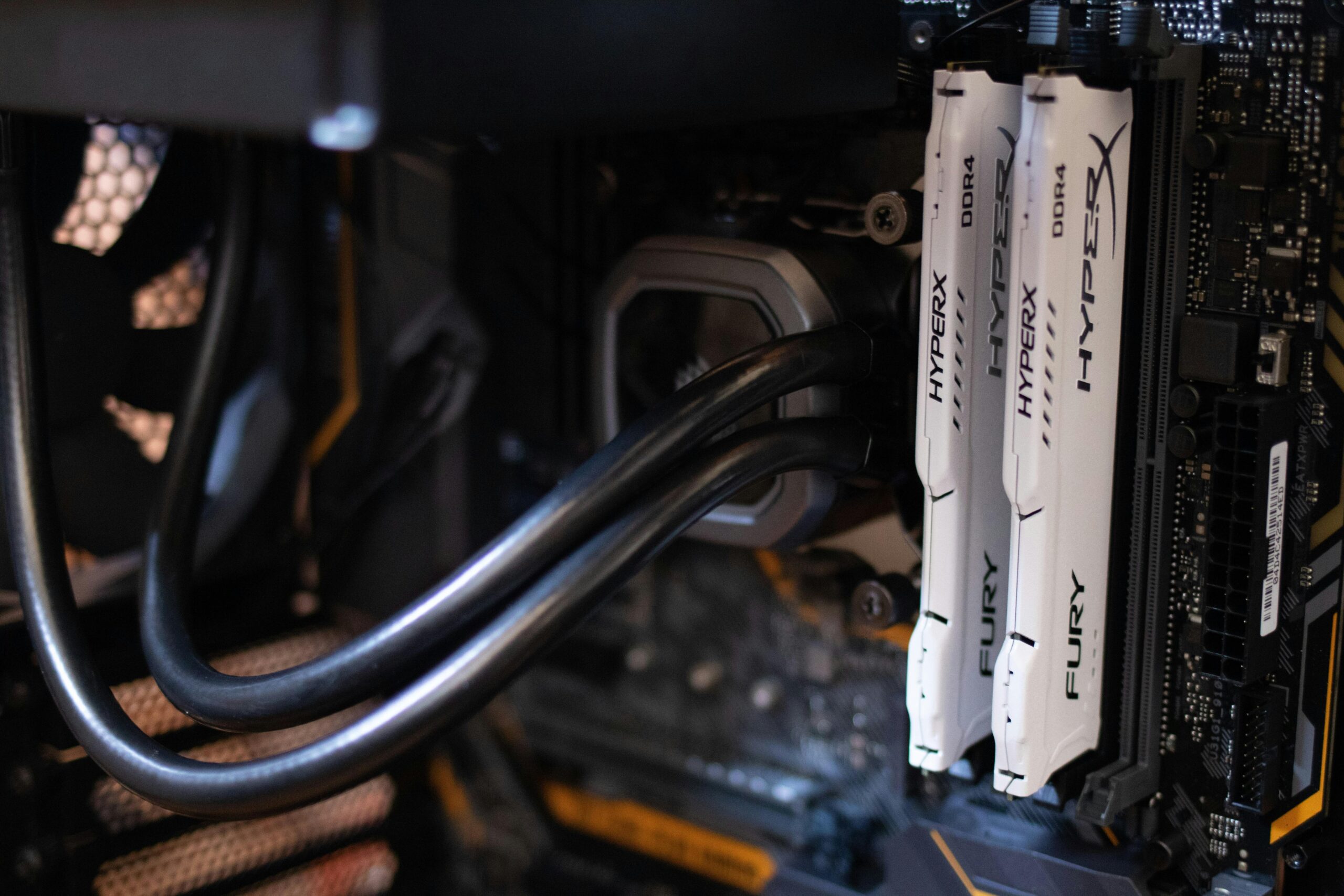
Most experts recommend starting with 16GB of RAM—at least 8GB if you’re tight on cash. Don’t trust me? Try streaming while editing video clips; suddenly, 4GB feels laughably inadequate.
Step 3: Test Internet Connection Speed
Minimum upload speeds should be 5 Mbps for 720p streams and 10 Mbps for 1080p streams. Yet every expert will tell you: Always go higher if available. Resolving bottlenecks caused by weak internet? Chef’s kiss annoying.

Step 4: Add Cooling Solutions
Sounds like your laptop fan during a 4K render—whirrrr. Proper cooling prevents thermal throttling, keeping both performance and peace intact.
Pro Tips for Optimizing Your Streaming Trials
1. Preemptively Upgrade Key Components
If you plan to expand into multi-streaming or add-ons later, invest early in scalable hardware.
2. Use Dedicated Capture Cards
Capture cards offload strain from your PC, ensuring cleaner feeds. Just sayin’—you don’t want dropped frames ruining your big debut.
3. AVOID Overloading With Too Many Applications
This might sound “extra,” but multitasking between OBS Studio, Discord, Photoshop, and YouTube tabs kills productivity—and bandwidth.
4. Terrible Tip Disclaimer
Some say, “Just use what you’ve got”—WRONG. Unless ‘what you’ve got’ can compete with modern standards, you’re setting yourself up for failure.
Examples from Successful Streamers
Jane Doe, a Twitch partner, saved hundreds by carefully balancing her hardware needs:
“My first rig included a Ryzen 7 processor and RTX 2070 Super—a bit pricey upfront, but I didn’t have to upgrade again for two years.”
Bonus Easter egg: Jane decorated her desk with Tamagotchis as stress relief. How retro is that?
FAQs About Hardware Configuration for Streaming
Q: Can I rely solely on software fixes?
Absolutely not. Software optimizations complement hardware—you can’t polish a turd unless…well, let’s not finish that analogy.
Q: Is Mac suitable for gaming-focused streaming?
While possible, it’s trickier. Windows dominates here due to compatibility with popular tools like OBS Studio.
Q: Do I really need a capture card?
For console integration or high-end setups? Yes. Otherwise, it depends on personal goals.
Conclusion: Master the Checklist
You now know the dos, don’ts, and WTF moments of building hardware configurations for streaming trials. By following these guidelines and staying vigilant about updates, you’re primed for uninterrupted streams.
To quote my favorite meme avatar: *“Like a well-oiled machine, keep optimizing—and remember: coffee fuels creativity.”*

