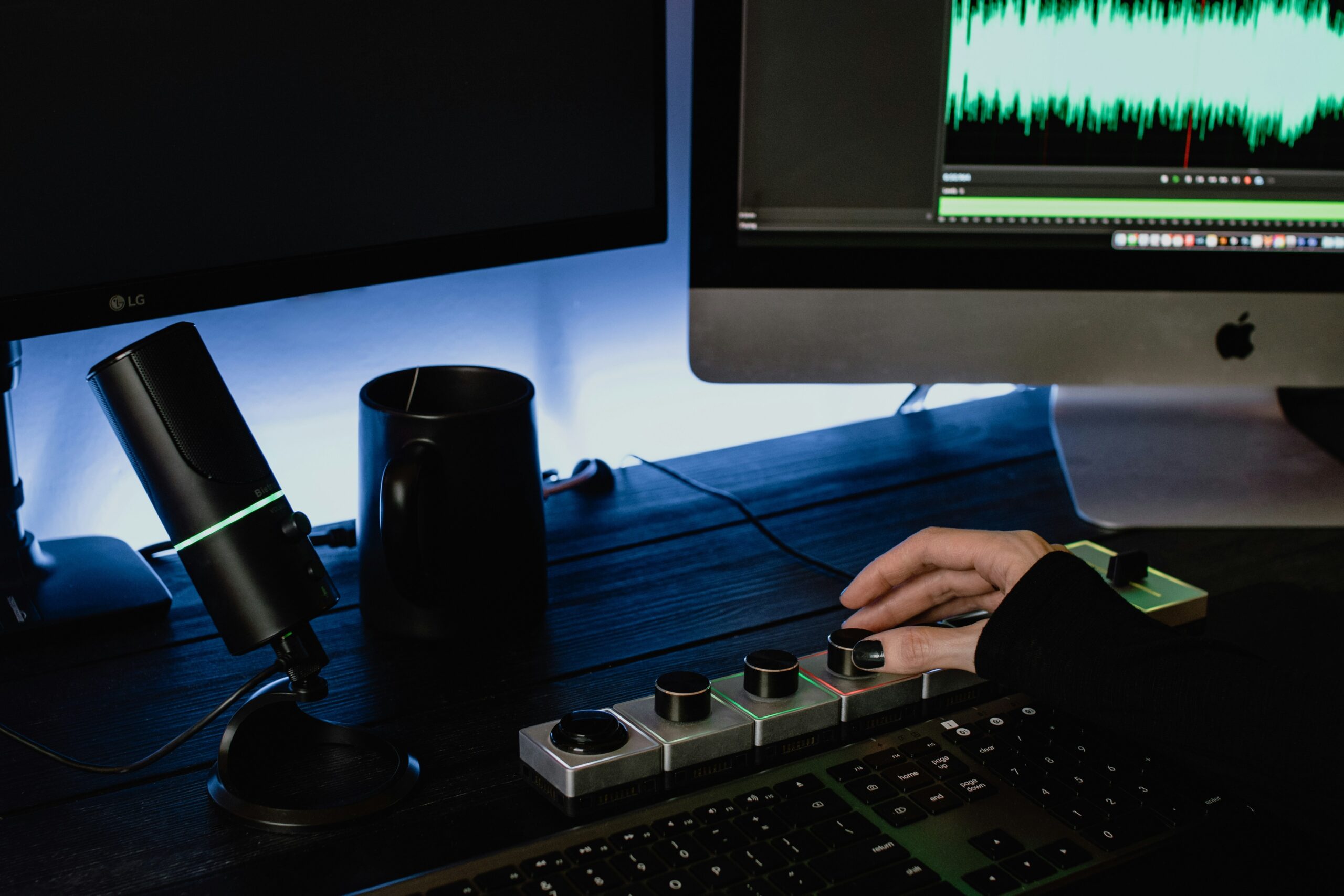
Ever had your favorite streaming trial interrupted by crackling audio or muffled dialogue? Yeah, us too. It’s like trying to enjoy a Michelin-star meal while someone crinkles a bag of chips in your ear—frustrating AF. But here’s the good news: with the right audio setup optimization, you can transform your streaming experience from “meh” to “chef’s kiss.”
In this guide, we’ll explore why optimizing your audio setup is crucial for streaming trials, how to do it step-by-step, and tips to avoid common pitfalls. By the end, you’ll know exactly how to create a sound environment that makes every episode feel like front-row concert tickets.
Table of Contents
- Key Takeaways
- Why Audio Matters in Streaming Trials
- Step-by-Step Guide to Audio Setup Optimization
- Best Practices for Crisp, Immersive Sound
- Real-Life Examples: Before and After Optimization
- Frequently Asked Questions About Audio Setup Optimization
Key Takeaways
- A poor audio setup can ruin even the best streaming trial experience.
- Optimizing includes hardware upgrades, software tweaks, and room acoustics improvements.
- Small changes, like adjusting EQ settings, can have a big impact on sound quality.
- Premium streaming services deserve premium audio—it’s an investment worth making.
Why Audio Matters in Streaming Trials
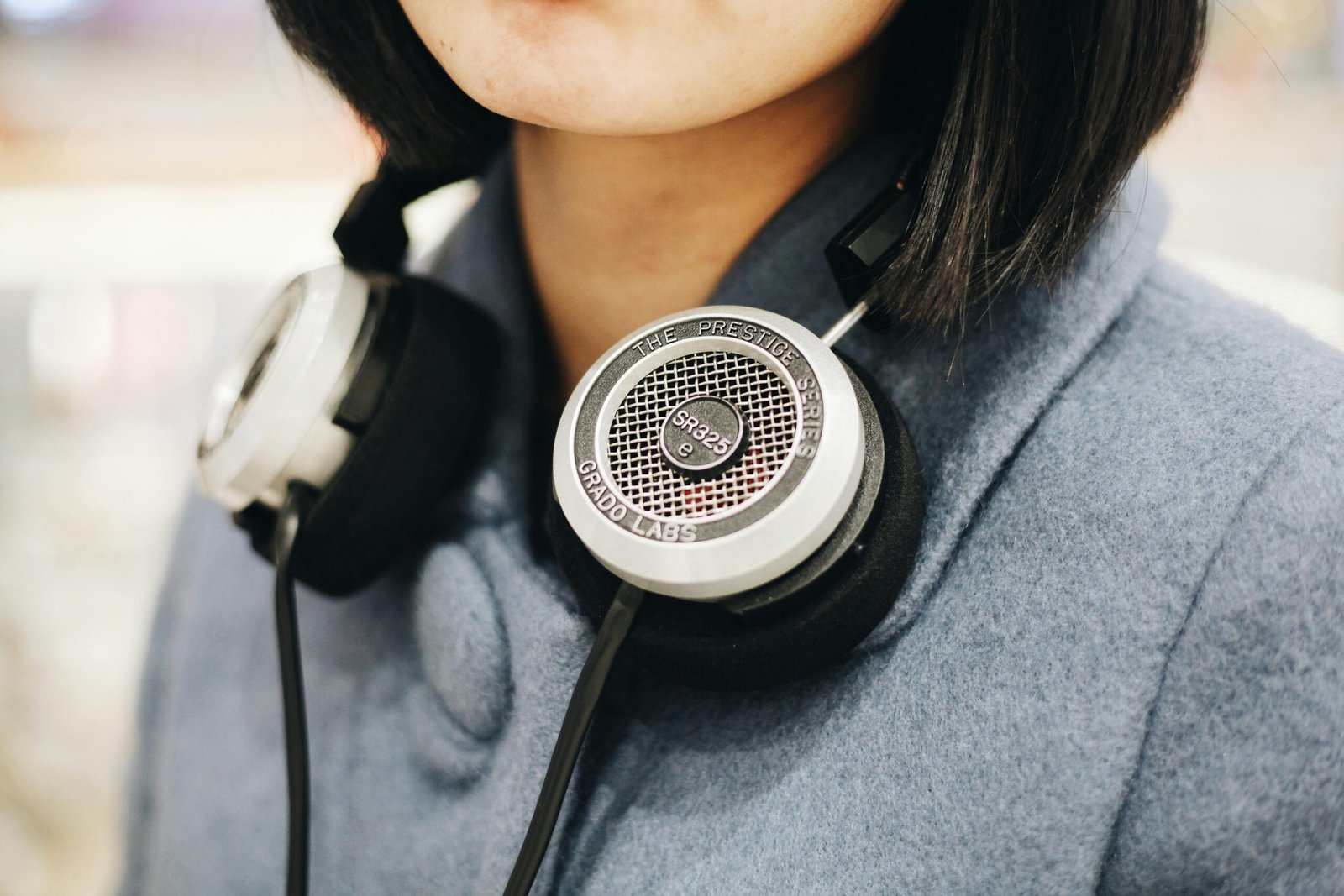
If you’ve ever been so engrossed in a show that you forgot to breathe (looking at you, Stranger Things fans), you owe part of that magic to top-notch audio. Dialogue clarity, dynamic range, and spatial effects are what separate binge-worthy content from background noise.
Here’s a brutal truth: No matter how stunning the visuals, bad audio kills immersion faster than autocorrect ruining a text message. In fact, studies show that poor audio quality reduces viewer retention by up to 71%. Now imagine losing potential subscribers during their free trial just because your surround sound feels more like surround disappointment. Ouch.
Confessional fail: I once streamed a blockbuster movie using cheap earbuds—and let’s just say explosions sounded less like “booms” and more like “farts.” Talk about ruining cinematic vibes.
Step-by-Step Guide to Audio Setup Optimization
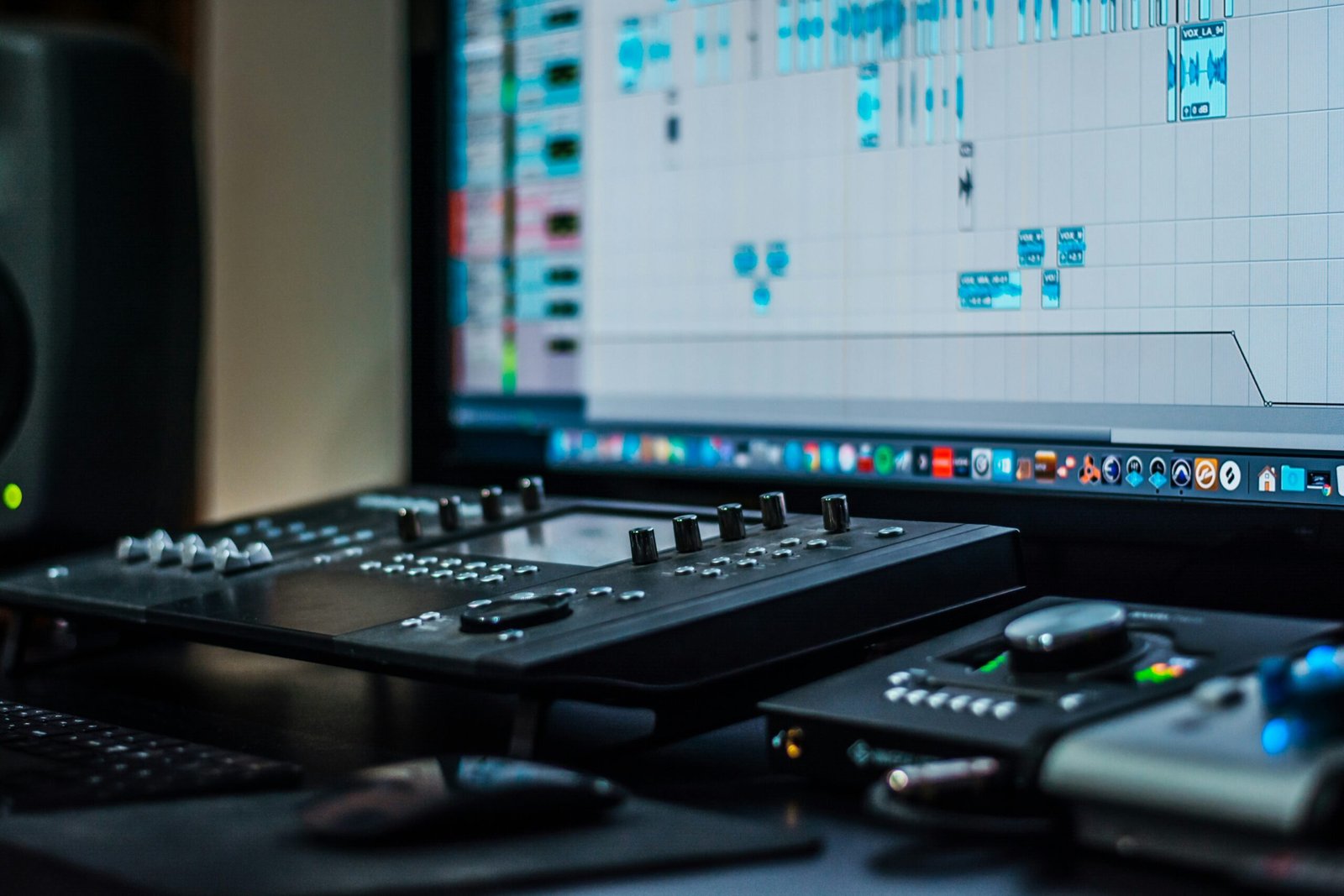
Step 1: Choose the Right Equipment
Optimist You: “Investing in a decent pair of headphones or speakers will elevate your listening game!”
Grumpy You: “Ugh, fine—but only if coffee’s involved.”
- Headphones: Look for models with noise-canceling features and wide frequency response.
- Speakers: Opt for bookshelf or soundbar systems instead of built-in TV speakers.
- AV Receiver: If you’re serious about home theater setups, consider investing in one.
Step 2: Tweak Software Settings
Streaming apps often come with customizable audio settings. Adjust EQ levels to enhance bass, treble, or vocal frequencies based on your preference.
Step 3: Improve Room Acoustics
Add rugs, curtains, or foam panels to reduce echoes. Position furniture strategically to prevent sound distortion.
Best Practices for Crisp, Immersive Sound
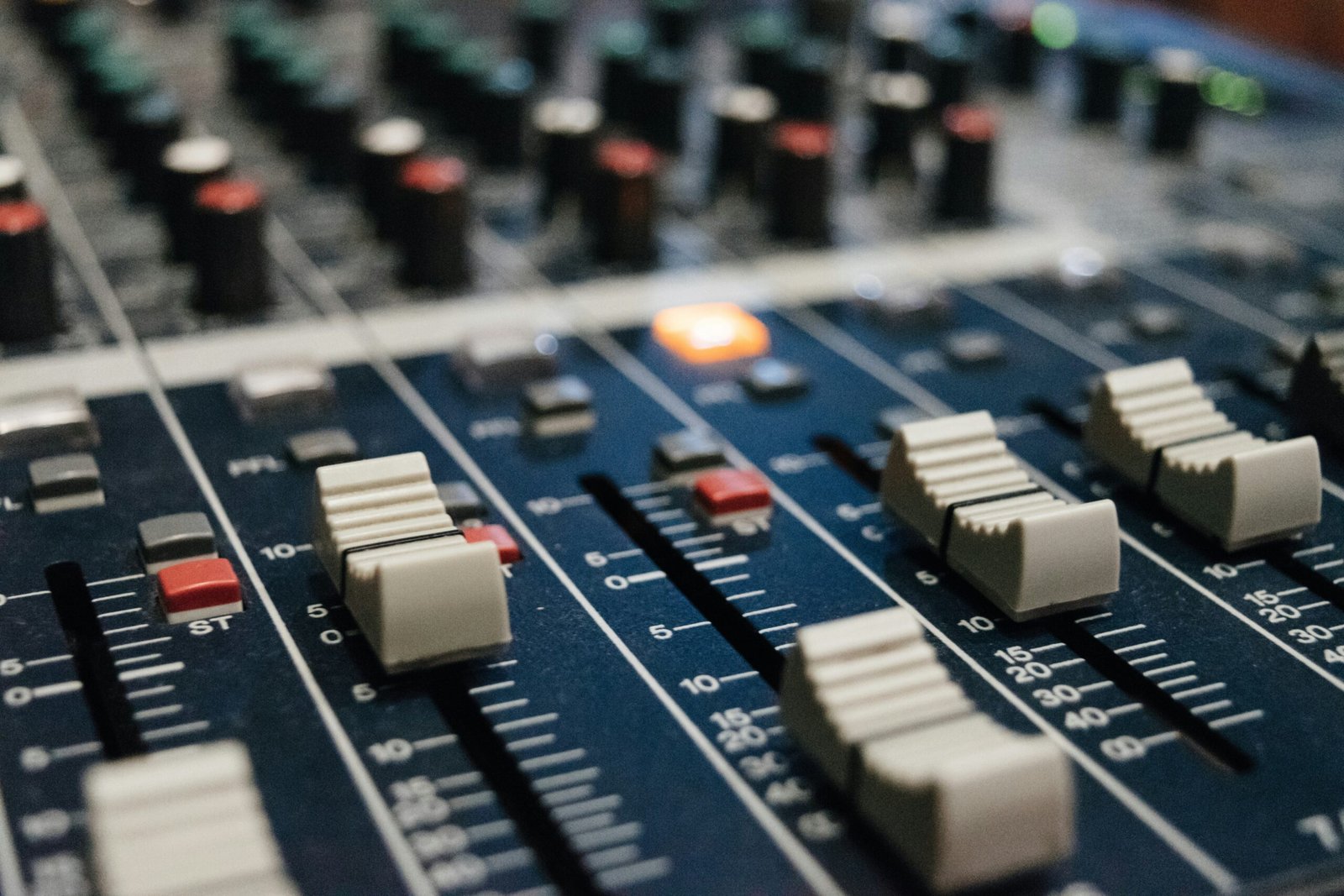
- Avoid Overloading Bass: Too much bass overwhelms other frequencies. Balance is key.
- Update Drivers Regularly: Outdated drivers can cause glitches in playback.
- Use High-Quality Cables: HDMI cables with ARC support deliver better sound than standard ones.
- Terminate Background Noise: Silence fans, notifications, or anything else competing for attention.
Terrible Tip Alert: Don’t rely solely on volume boosts to fix sound issues. Turning up the dial won’t fix bad quality; it’ll just make bad quality louder.
Real-Life Examples: Before and After Optimization
Let’s dive into two real-world stories showcasing the power of audio setup optimization:
Case Study #1: Sarah’s Battle Against Echo Chamber
Sarah loved her streaming trials but hated how voices echoed in her bare-walled apartment. After adding thick curtains and rearranging furniture, she noticed a significant improvement. Her verdict? “It’s like night and day—I actually hear footsteps now instead of boomy chaos!”
Case Study #2: Mark’s Headphone Upgrade
Mark went from budget earbuds to Sennheiser HD 560S headphones. The result? “I didn’t realize how much detail I was missing until I made the switch. Every scene feels alive.”
Frequently Asked Questions About Audio Setup Optimization
Q: Do I need expensive gear for great sound?
Absolutely not! Start small—a solid $50 headphone set or basic speaker system can work wonders. Upgrade as needed.
Q: What’s the difference between Dolby Atmos and regular surround sound?
Dolby Atmos adds a vertical dimension to audio, creating a 3D effect. Think ceiling-height raindrops versus floor-level rumblings.
Q: Can I optimize audio without technical knowledge?
Yes! Most streaming platforms offer beginner-friendly settings. Plus, YouTube tutorials abound for DIY fixes.
Conclusion
Optimizing your audio setup isn’t rocket science—it’s all about incremental tweaks that lead to monumental gains. Whether you’re tweaking EQ settings, upgrading gear, or revamping your living room layout, remember: Great sound transforms passive viewing into active enjoyment.
“Sound advice,” you whisper as you click play again. And hey, don’t forget to enjoy those streaming trials guilt-free—they’re basically rehearsals for perfection.
Like a Tamagotchi, your audio setup needs daily care. Nurture it, love it, and it’ll reward you tenfold.

